Proven Animal Extraction: Secure Your Dwelling and Property
Quality wildlife control is vital for homeowners dealing with potential dangers from animal intrusions. These intrusions can lead to considerable structural damage and medical risks. Recognizing the critical importance of tackling animal concerns is necessary. Understanding the indicators and knowing when to seek expert assistance can prove decisive. But what are the most common animal intruders, and how can one successfully protect against them? The findings may surprise you.
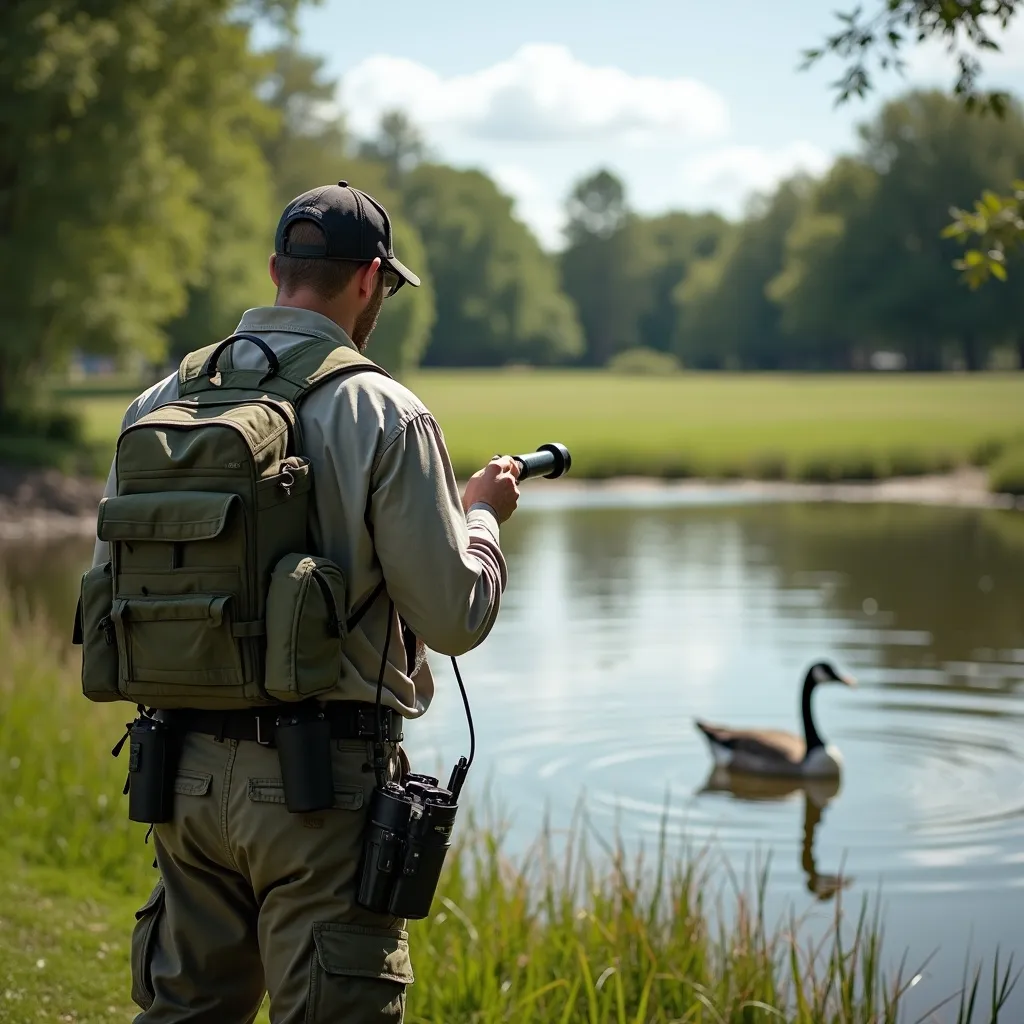
The Necessity of Responding Rapidly to Wildlife Intrusions
Wildlife invasions can escalate quickly, leading to significant damage and health risks. When animals invade residential areas, they can compromise structural integrity, chew through wiring, and pollute food sources. Furthermore, the presence of wildlife can introduce diseases, posing serious health threats to both humans and pets. Quick action is vital to mitigate these risks and prevent further complications.
Failing to address the matter may produce expensive repairs and substantial restoration work. Additionally, some organisms are capable of multiply quickly, expanding their numbers and worsening the problem. Timely intervention not only safeguards your home but also guarantees a safer living environment.
Engaging professional removal services can deliver effective solutions designed for unique creature difficulties. Quick response is vital to regain tranquility and protect residences from the uncertain nature of wildlife intrusions. Ultimately, quick action plans can markedly diminish the potential for lasting damage and health hazards linked to these incursions.
Signs That You Have a Animal Problem
How can someone determine if a animal comprehensive guide problem is nearby in the surrounding area? Various clues can point to the arrival of unwanted creatures. Homeowners may detect peculiar noises, such as clawing or scurrying sounds, notably at night. Moreover, feces or tracks may surface around the home, revealing the type of wildlife present. Damage to materials, electrical lines, or wooden structures can likewise signal an intrusion, as many creatures hunt for shelter in upper spaces or crawl spaces.
A further indicator consists of chewed food packaging or overturned garbage, revealing foraging patterns. In addition, openings or burrows located near the base may reveal entry points for pests. Unexplained smell, frequently associated with habitation or waste, can be a critical red flag. Recognizing these indicators early is essential for sound management and protection, helping ensure that property owners can respond in a timely manner before the issue worsens.
Leading Advantages of Professional Wildlife Removal Services
Hiring professional wildlife removal services delivers numerous advantages for homeowners facing unwanted animal intrusions. First and foremost, experts bring expert insight and expertise, guaranteeing safe and effective removal of wildlife without causing harm to the animals or the property. These professionals employ sophisticated methods and tools, which can tackle complex situations that homeowners might not be prepared to handle.
Moreover, professional services often deliver comprehensive evaluations to detect potential entry points, assisting in avoiding future infestations. This proactive approach not only mitigates pressing issues but also safeguards the home in the long run. Furthermore, many wildlife removal companies offer warranties or guarantees, providing homeowners peace of mind.
Lastly, engaging professionals reduces the likelihood of hurt from wildlife encounters, maintaining a safer environment for groups and pets. Overall, opting for qualified removal services can save energy, worry, and potential structural deterioration.
Spotting Widespread Wildlife Invaders in Your Dwelling
Homeowners frequently encounter different kinds of wildlife that can intrude upon their living spaces, each creating distinct problems. Common intruders include raccoons, squirrels, and rodents, which can cause damage if not handled promptly. Raccoons are notorious for raiding attics and basements, attracted by food sources or shelter. Squirrels often nest in roofs or eaves, causing possible harm to the structure. Rodents, such as mice and rats, can penetrate homes in pursuit of food, depositing droppings and polluting living areas.
In addition, birds may gain access through exposed vents and chimneys, bringing noise and mess. Each type introduces particular threats, including disease transmission and property damage. Detecting the markers of these intrusions—such as excrement, nest building supplies, or scratching noises—can support homeowners commence rapid action. Prompt detection is necessary in stopping further complications and maintaining a sound and well home setting.
DIY versus Professional: What Works Best?
When deliberating on wildlife removal, parties often compare the strengths of DIY methods versus expert help. Price, safety, and prolonged success are important factors driving this decision. Understanding these aspects can aid householders make an knowledgeable decision that most appropriately serves their requirements.
Expense Factors For Elimination
Choosing between DIY wildlife removal and employing a specialist can considerably affect both time and finances. Self-managed strategies often seem budget-conscious, as they typically involve few initial outlays, such as purchasing traps or deterrents. Yet, concealed expenses may occur from possible destruction or recurrent invasions. On the other hand, professional services tend to have a greater upfront cost but provide expertise, efficiency, and a guarantee of results. Professionals have the required equipment and expertise to handle various wildlife carefully and efficiently, potentially helping homeowners avoid costly errors. Ultimately, the decision rests on individual circumstances, including budget, urgency, and the complexity of the wildlife issue at hand. Weighing these factors can lead to a more informed decision.
Security and Health Dangers
Taking part in animal extraction presents important hazards related to safety and health, notably when people decide on a DIY approach. Untrained persons may face hostile wildlife, causing potential injuries or bites. Also, many wildlife species carry diseases such as rabies, hantavirus, or leptospirosis, posing serious health threats to those not properly prepared to address them. Improper handling can lead to contact with parasites such as fleas or ticks, increasing health risks. On the other hand, professional animal removal experts come with the necessary skills, equipment, and information to safely minimize these dangers. They observe safety protocols, guaranteeing both animal welfare and human safety. In summary, the skills of professionals reduce the likelihood of accidents and health complications connected to wildlife removal.
Durable Efficacy Determinants
The sustained success of wildlife removal strategies depends upon various factors, particularly when contrasting DIY methods with expert solutions. DIY approaches often miss the knowledge and equipment necessary for complete elimination and prevention strategies, resulting in repeated pest problems. Homeowners may inadvertently overlook access areas or neglect to identify the signs of a larger problem. In contrast, experts have specialized training and experience, enabling them to recognize and resolve issues more effectively. They also implement protective strategies to reduce future risks. Financial factors may push people toward DIY solutions, but spending money on professional services can yield superior lasting outcomes. In the end, the choice between DIY and expert help should be determined by the complexity of the wildlife problem and the homeowner's commitment to funding a sustainable solution.
Effective Strategies to Prevent Animal Intrusions
Developing reliable approaches to avoid wildlife intrusions is imperative for upholding a secure and serene atmosphere. Homeowners should proceed by securing accessible openings and gaps. This necessitates closing cracks in foundations, walls, and roofs, in addition to fitting screens on vents and chimneys. Moreover, reducing food attractions is significant; responsibly containing refuse and removing leftover animal feed can prevent animals from getting close.
Landscaping represents an vital element. Maintaining trees cut back and sustaining a clean yard decreases places where wildlife can hide. In addition, applying natural deterrents, including sensor-based lights or noise devices, can effectively prevent animals from entering the property.
Periodic inspections of the house and surrounding environment permit for the timely detection of potential issues. To conclude, educating family members about animal conduct encourages understanding, permitting proactive steps to be executed. By implementing these strategies, homeowners can greatly reduce the likelihood of undesired wildlife intrusions.
What Happens Throughout a Wildlife Removal Treatment?
During a wildlife removal service, professionals start off with a thorough initial inspection to establish the breadth of the concern. Following the assessment, humane trapping methods are engaged to humanely secure the animals. Finally, prevention steps following removal guarantee that later incursions are curtailed, protecting the property from further wildlife issues.
Initial Inspection Procedure
Wildlife removal services begin by conducting a thorough inspection of the area to identify evidence of pest infestation and potential entry points. Trained technicians carefully inspect both interior and exterior of the property, looking for feces, nests, or damaged insulation that reveal animal activity. They evaluate the building's integrity, examining for gaps in eaves, vents, and foundations that may allow animals to get in the property. This preliminary assessment can utilize advanced tools to find underlying issues. The insights obtained throughout this examination is essential for formulating a tailored removal strategy, ensuring that the approach resolves the particular wildlife concern effectively while decreasing damage to the property and occupants.
Ethical Trapping Approaches
Several wildlife removal services prioritize ethical capture techniques to ensure the secure transfer of animals. These experts apply cage traps designed to capture wildlife safely. Typically, food is placed to attract the animal, ensuring it enters the trap voluntarily. After being caught, the animal is observed to minimize stress and discomfort.
Once the animal is captured, the service evaluates its health and behavior prior to relocation. This procedure commonly involves moving the animal to a set location far from human habitation, ensuring it can survive in an suitable environment. Throughout this procedure, the priority remains on the well-being of the creature, following local regulations and moral standards. By choosing humane trapping, services support a balanced relationship between humans and wildlife.
How to Stop Problems After Removal
Once the wildlife has been successfully removed, the next critical phase centers on preventive care to make certain that similar issues do not take place in the future. This entails a thorough inspection of the property to identify feasible access spots, such as fractures in roofing, vents, or foundations. Caulking these entrances with correct materials is required to deter future intruders. Additionally, house owners are advised to maintain a clean environment by discarding food leftovers and debris that could pull in fauna. Installing protective installations, such as fences or cloth barriers, can further secure fragile locations. Frequent maintenance and monitoring of the property certify that any signs of wildlife activity are tackled immediately, safeguarding both home and property from upcoming intrusions.
Commonly Asked Questions
What Local Rules Affect Animal Removal Companies?
Local regulations for animal removal services generally require permits, respect for ethical approaches, and compliance with state laws covering particular animals. These regulations ensure the safeguarding of each of wildlife and the community's security and well-being.
In What Means Can I Safely Prevent Animals from Trespassing Without Injuring Them?
To humanely discourage wildlife, one can implement non-lethal methods such as motion-sensor lighting, organic deterrents, and secure garbage containers. Additionally, keeping spaces clean reduces attractants, encouraging animals to seek alternative environments.
When Do Animal Intrusions Occur Most Commonly Throughout Specific Seasons?
Wildlife invasions tend to peak during spring and fall. Spring introduces young animals seeking food, while fall often witnesses creatures searching for warmth and shelter, boosting the probability of encounters with human habitats during these seasons.
What Can I Proceed if I Spot Orphaned Wildlife?
If you discover orphaned wildlife, keep your distance and watch, avoid touching directly, and reach out to nearby wildlife agencies or rescue facilities for guidance, making sure the wildlife obtain proper care and support from qualified specialists.
What Methods Can I Instruct My Family About Wildlife Safety?
To communicate with the family about wildlife safety, one could host informative conversations, highlight information about local species, implement safe outdoor habits, and support respect for wildlife habitats, advancing awareness and thoughtful engagement with nature.
Comments on “East Liberty top Goose Harassment Control for Humane Wildlife Management”